
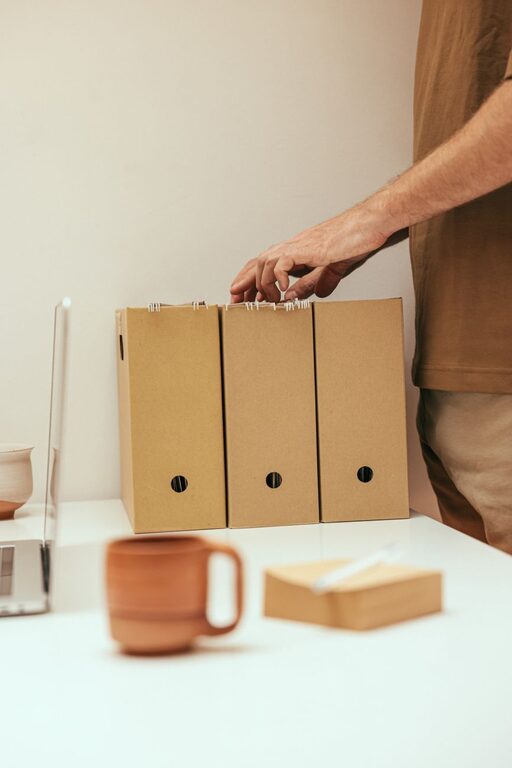
Simple Ways to Reduce Household Paper Clutter
Paper clutter can build up quickly. A few receipts here, school papers there, and unopened mail on the counter can soon become piles that feel difficult to manage. The good news is that you do not need a complicated filing system to take control.
With a few simple habits, you can reduce the amount of paper entering your home, sort what you already have, and create an easy system for keeping important documents organized.
Start With a Quick Paper Sweep
Before creating a new storage system, gather the paper that is already scattered around your home. Check common collection points such as:
– Kitchen counters
– Entryway tables
– Desk drawers
– Junk drawers
– Bags and backpacks
– Car compartments
– Refrigerator doors
– Home office shelves
Place everything in one temporary location, such as a box or clear area of the floor. This gives you a complete view of the problem and prevents you from organizing papers one room at a time.
Do not worry about sorting every document perfectly during this first sweep. The goal is simply to bring the paper together so you can make clear decisions.
Use Four Simple Sorting Categories
A basic sorting method can make a large pile feel more manageable. Create four groups:
Action
This category includes papers that require a response, payment, signature, appointment, or other follow-up. Examples may include invitations, permission forms, bills, or return slips.
Keep action papers in one visible place, such as a small tray near your desk. Review this tray regularly so important tasks do not get buried.
Keep
Keep documents that are useful or difficult to replace. These may include warranties, property records, school information, manuals, or personal records.
The best storage method depends on how often you need the document. Frequently used papers should be easy to reach, while rarely needed records can go into a labeled file box.
Recycle or Shred
Many papers do not need to be stored at all. Old advertisements, duplicate copies, expired event information, and unneeded envelopes can usually leave your home.
For papers containing private information, use a shredder or a secure shredding service. When in doubt, check whether a document includes details that could identify you before placing it in the recycling bin.
Decide Later
If you are unsure about an item, place it in a temporary review folder. Give yourself a clear deadline, such as 30 days. If you have not needed the paper by then, take another look and decide whether it can be recycled or shredded.
This category should be temporary. Without a review date, it can easily become another form of clutter.
Create a Small Paper Command Center
You do not need a full home office to manage household paperwork. Choose one small, consistent location for important papers. A shelf, drawer, desktop tray, or wall organizer can work well.
Consider setting up sections for:
– Action items
– Documents to file
– Receipts
– School or activity papers
– Outgoing mail
– Temporary papers
Use simple labels that everyone in the household can understand. Avoid creating too many categories, since an overly detailed system can be hard to maintain.
A small command center also prevents papers from spreading across multiple rooms. When new mail arrives, it has a clear destination instead of landing on the nearest surface.
Reduce Paper at the Source
The easiest paper to manage is the paper that never enters your home. Look for ways to reduce incoming mail and printed materials.
Try these steps:
– Choose electronic statements when available.
– Unsubscribe from catalogs and promotional mail.
– Ask organizations to send notices by email.
– Decline printed receipts when you do not need them.
– Remove your name from mailing lists where possible.
– Avoid printing documents that can be viewed digitally.
– Return unnecessary inserts and envelopes to the recycling bin.
Make these changes gradually. You do not have to update every account or mailing preference in one afternoon. Each small reduction makes future paper management easier.
Deal With Mail Immediately
Mail is easier to handle when it is processed as soon as it enters the house. Set up a simple routine that takes only a few minutes.
Open mail near a recycling bin so you can discard unwanted envelopes and advertisements right away. Sort the remaining items into action, keep, or recycle categories.
Try not to place unopened mail on the counter “for later.” This often creates a second pile that must be handled again. If you are busy, use one designated mail tray and set a specific time to review it.
A daily or every-other-day mail routine is usually more effective than waiting for a large stack to form.
Scan Important Papers Carefully
Digital copies can reduce the amount of physical storage you need. A phone scanning app or home printer may be enough to create clear electronic copies.
Create a few easy-to-understand folders, such as:
– Home
– School
– Receipts
– Warranties
– Vehicles
– Personal records
Use consistent file names that include the document type and date. For example, “Kitchen appliance warranty 2026” is easier to find than “Scan001.”
Digital storage is helpful, but it should not replace every original document. Some papers may need to be kept in physical form. For important records, follow the instructions from the organization that issued them and store originals in a secure place.
Set Limits for Sentimental Papers
Children’s artwork, greeting cards, travel materials, and handwritten notes can be meaningful, but keeping everything can quickly create clutter. Set a physical limit for sentimental items, such as one box or folder per person.
When the space is full, review the contents before adding more. You might:
– Photograph artwork before recycling it.
– Keep a few favorite pieces from each year.
– Turn special papers into a scrapbook.
– Share extra artwork with family members.
– Reuse drawings as gift wrap or cards.
A limit does not make memories less valuable. It helps you choose the items that matter most.
Schedule a Short Weekly Reset
Paper clutter is easier to prevent than to fix. Set aside 10 to 15 minutes once a week to check your paper command center.
During this reset:
- Remove papers that no longer matter.
- Complete or schedule action items.
- File documents that need to be kept.
- Empty the recycling and shredding pile.
- Check for papers that have been waiting too long.
A short routine keeps small piles from becoming a large project. You can combine it with another weekly task, such as planning meals or cleaning the entryway.
Make the System Easy to Maintain
The best paper organization system is one that fits your habits. If you rarely use file cabinets, do not create a system that requires detailed filing. If you prefer digital records, invest time in clear folders and regular backups.
Keep supplies nearby, including folders, labels, a pen, and a recycling container. Make it easy to put papers away correctly.
Most importantly, avoid aiming for perfection. Household paper will continue to arrive, and some days will be too busy for a full reset. A simple system that you use most of the time is more useful than a perfect system that feels difficult to maintain.
By reducing incoming paper, sorting documents quickly, and giving important papers a clear home, you can make your living space calmer and everyday tasks easier to manage.
