
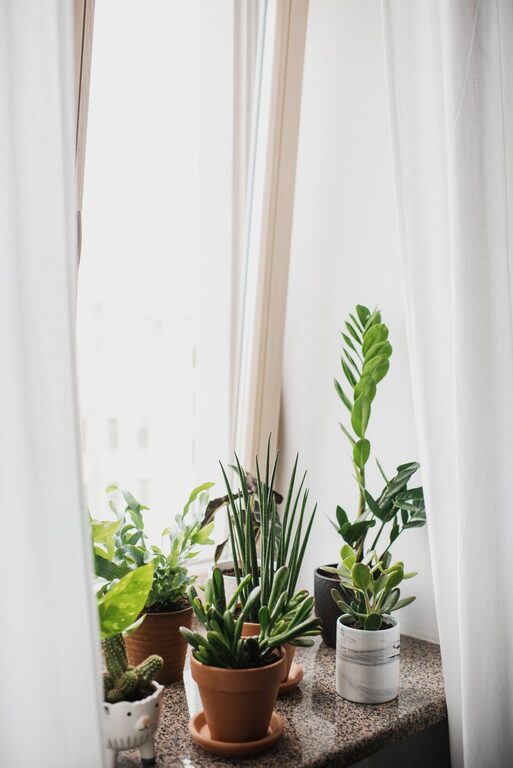
How to Refresh Your Home With Plants
Plants are one of the easiest ways to refresh your home. They add color, texture, and life without requiring a major renovation. A few well-placed plants can make a room feel more inviting, while a larger collection can create a calm, nature-inspired atmosphere.
You do not need a large budget or a home filled with natural light to get started. By choosing plants that suit your space and arranging them thoughtfully, you can create a look that feels fresh, balanced, and personal.
Start by Looking at Your Space
Before buying plants, take a quick tour of your home. Notice which rooms feel plain, which corners look empty, and where natural light enters throughout the day.
Consider these questions:
– Which areas need more color or texture?
– How much sunlight does each room receive?
– Are there shelves, tables, or unused corners available?
– Do you prefer a neat, minimal look or a fuller indoor garden?
– How much time do you want to spend on plant care?
Making a simple plan can help you avoid buying plants that do not suit your home. It also makes it easier to choose the right sizes, containers, and locations.
Choose Plants That Match Your Lifestyle
The best plants are not always the most dramatic ones. They are the plants that fit your routine and the conditions in your home.
If you are new to indoor gardening, begin with varieties known for being relatively easy to care for. Snake plants, pothos, spider plants, and ZZ plants are popular choices for many homes. They can work well in a range of indoor settings, although every plant still benefits from suitable light and careful watering.
For bright rooms, consider plants such as:
– Aloe
– Jade plants
– Herbs
– Succulents
– Rubber plants
For areas with indirect or lower light, options may include:
– Snake plants
– Pothos
– ZZ plants
– Cast iron plants
– Some varieties of philodendron
Always check the care instructions for a plant before bringing it home. Light, humidity, temperature, and watering needs can vary widely.
Use Plants to Add Color and Texture
Plants can refresh a room in much the same way as artwork, cushions, or textiles. Their leaves bring natural shapes and different shades of green to spaces that may otherwise feel flat.
Try combining several types of foliage. Large, broad leaves can create a bold focal point, while small or trailing leaves add movement. Plants with striped, spotted, or unusually shaped leaves can provide extra interest without adding bright colors.
You can also use flowers or colorful foliage for seasonal accents. A small vase of fresh flowers on a dining table or a potted flowering plant near a window can quickly change the mood of a room.
For a balanced arrangement, combine:
– One tall plant
– One medium-sized plant
– One small plant
– A trailing plant placed on a shelf
This mix creates variation in height and shape while keeping the display connected.
Refresh Your Containers
Changing a plant’s container can make an older plant feel new again. Pots are available in many materials, colors, and styles, so they can become an important part of your home decor.
Choose containers that complement your existing furniture and finishes. Neutral ceramic pots can create a clean, simple look, while woven baskets bring warmth and texture. Terracotta pots suit relaxed, natural interiors, and colorful containers can brighten a plain room.
Keep these practical points in mind:
– Make sure the pot has drainage or use an inner pot with drainage holes.
– Choose a container that gives the roots enough room to grow.
– Use a saucer or tray to protect floors and furniture.
– Avoid placing heavy pots on narrow or unstable shelves.
– Select materials that are easy to clean.
You do not need every pot to match. A coordinated group of different containers often looks more relaxed and interesting than a perfectly uniform display.
Create a Green Corner
An empty corner can become a strong design feature with the right plant arrangement. Start with one taller plant, such as a rubber plant or fiddle leaf fig, and add smaller plants nearby. A plant stand can raise shorter plants and create more visual depth.
For a simple green corner:
- Place the tallest plant toward the back.
- Add a medium plant beside it.
- Put a small pot on a stool or stand.
- Include a trailing plant on a nearby shelf.
- Leave some open space so the area does not feel crowded.
This idea works well in living rooms, bedrooms, entryways, and home offices. Keep the arrangement away from narrow walking paths and make sure each plant receives suitable light.
Style Shelves and Tabletops
Shelves, side tables, and window ledges are ideal places for small plants. They allow you to add greenery without using valuable floor space.
When styling a shelf, vary the height of your objects. Place a plant next to books, a framed picture, a small bowl, or another decorative item. Trailing plants work especially well on higher shelves because their leaves can hang naturally over the edge.
On a coffee table or dining table, use one larger plant as a centerpiece or group several small plants on a tray. A tray keeps the arrangement organized and makes it easier to move when cleaning.
Avoid filling every available surface. A little open space helps each plant stand out and keeps the room feeling comfortable.
Bring Plants Into Unexpected Rooms
Plants are often associated with living rooms, but they can refresh many other areas of the home.
In the kitchen, place herbs near a bright window or use a small plant to soften an open shelf. In the bathroom, plants that enjoy humidity can add a spa-like touch, provided there is enough light and airflow.
A plant near the entryway can make the first impression of your home feel warmer. In a bedroom, one or two simple plants can add a calm, natural element without making the room feel busy.
Be practical when choosing locations. Avoid placing plants directly beside heat sources, in strong drafts, or where water could damage electronics, wood, or fabrics.
Add Height With Plant Stands
Plant stands are a simple way to change the shape of a room. They lift plants closer to eye level and help fill unused vertical space.
Use stands in different heights to create a layered display. A single stand can highlight an attractive plant, while a group of stands can form a small indoor garden. Wooden stands add warmth, metal stands offer a lighter and more modern appearance, and painted stands can introduce a subtle accent color.
Make sure each stand is stable and suited to the weight of the pot. Place it where it will not block doors, windows, or walkways.
Keep Your Refresh Looking Good
A refreshed home will look its best when plants receive regular, simple care. Set aside a few minutes each week to check the soil, remove damaged leaves, and wipe dust from larger leaves.
Rotate plants occasionally so they grow more evenly toward the light. Trim trailing stems when they become too long, and move plants if they show signs of stress. Keep a basic record of watering if you are caring for several varieties with different needs.
It is also helpful to review your arrangement every few months. As plants grow, they may need larger containers or new locations. Rearranging them can give your home a fresh look without buying anything new.
Make the Look Your Own
There is no single right way to decorate with plants. You might prefer a few carefully chosen plants in simple pots, or you may enjoy a fuller collection with layered shelves and colorful containers.
Start small, pay attention to the conditions in your home, and choose plants that fit your routine. With thoughtful placement and a few creative touches, plants can make your home feel brighter, softer, and more welcoming all year long.
