
How to Plan Balanced Meals Without Stress
Planning balanced meals does not have to mean creating a perfect menu, following complicated rules, or spending hours in the kitchen. A simple system can help you choose a variety of foods, use what you already have, and make mealtimes more manageable.
The goal is not to make every meal identical or perfectly balanced. Instead, focus on building a helpful pattern over the course of a day or week. With a few basic ingredients, flexible recipes, and a small amount of preparation, meal planning can become a routine that reduces stress rather than adding to it.
Start With a Simple Meal Formula
A useful starting point is to think of a meal as a combination of a few key parts:
– A source of protein
– A vegetable or fruit
– A grain or other carbohydrate
– A source of flavor or healthy fat
This formula is flexible and works for many eating styles. For example, a meal might include roasted chicken, brown rice, steamed broccoli, and a yogurt-based sauce. Another option could be beans, whole-grain tortillas, lettuce, tomatoes, avocado, and salsa.
You do not need to include every part in exact amounts at every meal. The formula is simply a visual guide that can help you create variety and avoid relying on the same few foods.
Choose Foods You Actually Enjoy
A balanced plan is easier to follow when it includes foods you like. Start by listing favorite ingredients, familiar family meals, and simple dishes you already know how to prepare.
If you enjoy pasta, keep it on the menu and add vegetables and a protein source. If sandwiches are convenient, pair one with fruit, a salad, or a cup of soup. Planning should fit your real life, not require you to change everything at once.
Build a Flexible Weekly Plan
Instead of planning seven completely different dinners, choose a few meal categories. This gives you structure while leaving room for changes.
For example, a weekly plan might include:
– One sheet-pan meal
– One soup, stew, or chili
– One pasta or grain bowl
– One taco or wrap night
– One leftover night
– One quick meal
– One flexible evening
This approach reduces decision-making and helps you reuse ingredients. Roasted vegetables from one dinner can become a filling for wraps the next day. Cooked grains can be added to salads, bowls, or soups.
Plan for Your Busiest Days
Look at your schedule before choosing meals. Place quick recipes on evenings when you have less time, and save longer cooking projects for days when your schedule is more open.
Easy options include:
– Scrambled eggs with toast and fruit
– Bean and cheese quesadillas with a side salad
– Grain bowls made from prepared ingredients
– Rotisserie chicken with microwavable grains and vegetables
– Pasta with frozen vegetables and a simple sauce
– Soup paired with whole-grain bread
A meal does not have to be elaborate to be satisfying. Keeping a few fast options available can make it easier to avoid last-minute stress.
Use a Mix of Fresh, Frozen, and Shelf-Stable Foods
A practical meal plan uses different types of ingredients. Fresh produce can add flavor and texture, while frozen and shelf-stable foods provide convenience and a longer storage life.
Consider keeping these basics on hand:
– Frozen vegetables and fruit
– Canned beans, tomatoes, and tuna
– Rice, oats, pasta, and other grains
– Eggs or another easy protein
– Nuts, seeds, and nut butters
– Tortillas or whole-grain bread
– Simple sauces, herbs, and spices
Frozen vegetables can be added to stir-fries, soups, pasta, and rice dishes with little preparation. Canned beans can turn into tacos, salads, or a quick chili. These ingredients make it easier to prepare a balanced meal when fresh options are limited.
Shop With a Short, Focused List
A shopping list can save time and reduce impulse purchases. Before writing your list, check your refrigerator, freezer, and pantry. Take note of ingredients that need to be used soon.
Organize the list by category:
Produce
Choose a few vegetables and fruits that can be used in more than one meal. For example, spinach can go into eggs, sandwiches, smoothies, or pasta. Carrots can be used as a snack, roasted side dish, or soup ingredient.
Protein Foods
Select a mix of options such as beans, eggs, yogurt, poultry, fish, tofu, nuts, or seeds. Choose foods that match your cooking time and preferences.
Grains and Starches
Include foods such as oats, rice, potatoes, pasta, bread, or tortillas. Having several options makes it easier to vary meals.
Flavor Builders
A few sauces, spices, dressings, and toppings can change the character of a basic meal. Try salsa, pesto, hummus, lemon juice, garlic, herbs, or a simple vinaigrette.
Prep Components, Not Entire Meals
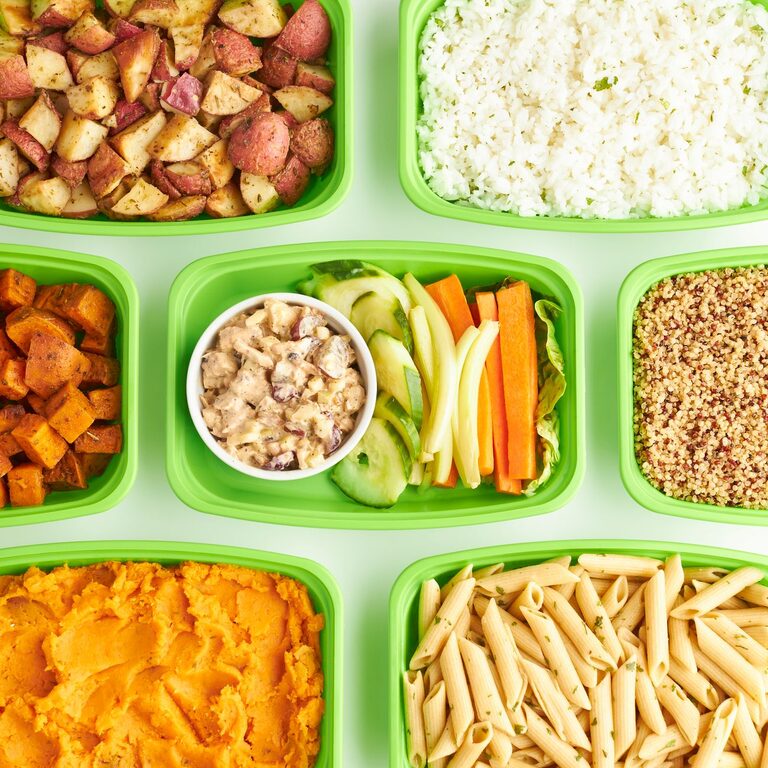
Meal preparation does not have to mean cooking every meal in advance. Preparing a few components can be more flexible.
You might:
– Wash and cut vegetables
– Cook a batch of rice or another grain
– Boil eggs
– Make a simple dressing or sauce
– Roast a tray of vegetables
– Portion snacks into small containers
– Cook beans, chicken, tofu, or another protein
Store components separately so you can combine them in different ways. This keeps meals from feeling repetitive and allows you to adjust based on your appetite and schedule.
Even 20 to 30 minutes of preparation can help. If you have more time, prepare extra portions for another meal. If you have less time, focus on one task that will make the week easier.
Create a Backup Meal List
Unexpected changes are a normal part of the week. A backup meal list can prevent you from having to make decisions when you are tired or short on time.
Choose three to five meals that require minimal effort. Examples include:
– Oatmeal with fruit, nuts, and yogurt
– A vegetable omelet with toast
– A bean and rice bowl
– A tuna or chickpea salad sandwich
– Frozen vegetables with noodles and a quick sauce
– A baked potato topped with beans, cheese, or leftover vegetables
Keep the ingredients for these meals available whenever possible. A backup plan makes your main plan more realistic because one change does not disrupt the entire week.
Reduce Food Waste With a Use-It-Up Day
Before your next shopping trip, look for ingredients that need attention. Combine leftover vegetables in a soup, frittata, or grain bowl. Use soft fruit in oatmeal or a smoothie. Turn extra cooked meat or beans into tacos, wraps, or a salad topping.
You can also plan one “use-it-up” meal each week. This does not need to follow a recipe. Simply combine available ingredients with a familiar base, such as rice, pasta, bread, greens, or potatoes.
Keep the Plan Flexible
A meal plan is a guide, not a set of rules. If you do not feel like eating the planned meal, switch it with another day. If leftovers last longer than expected, use them before cooking something new. If a recipe takes too long, simplify it or save it for another time.
Small changes can also make meals more enjoyable. Try a new sauce, switch the grain, add a different vegetable, or serve the same ingredients in a new format. Flexibility helps meal planning remain useful over time.
Make Balanced Eating Easier
The most effective meal plan is one that works with your schedule, budget, cooking skills, and preferences. Start with a simple formula, plan around your busiest days, prepare a few flexible ingredients, and keep quick backup meals available.
With practice, meal planning becomes less about making perfect choices and more about creating reliable options. A little preparation can make everyday meals calmer, more varied, and easier to enjoy.
